Orange is the new green
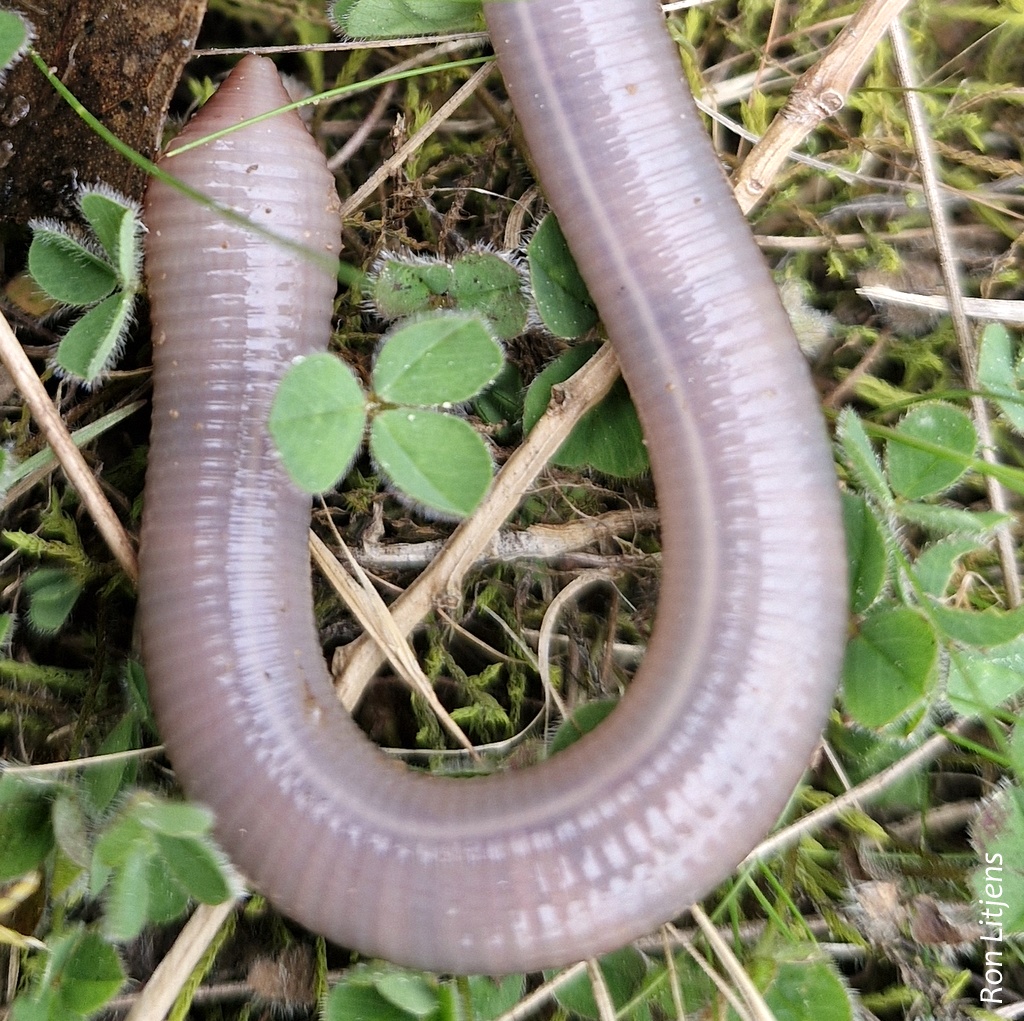
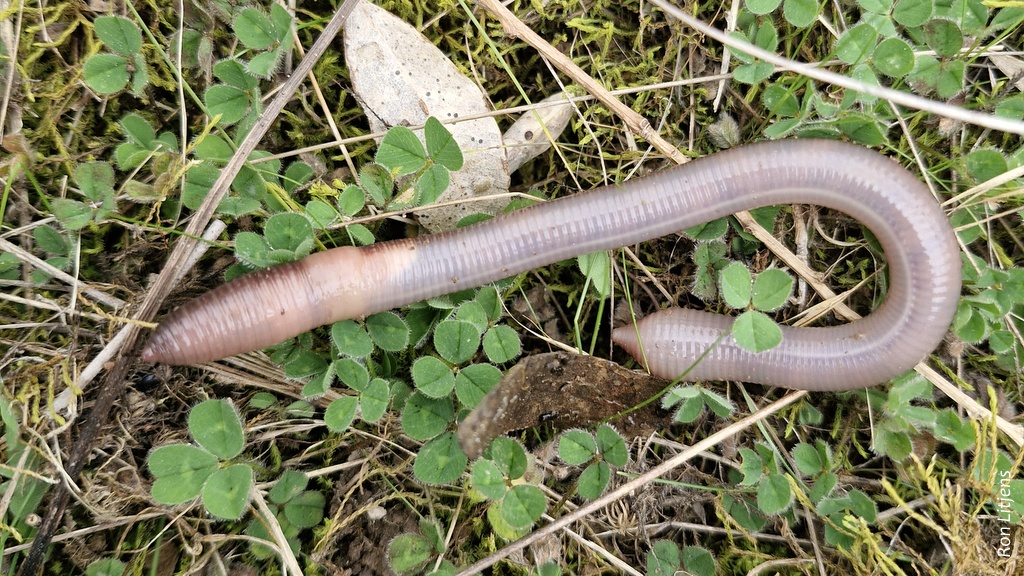
Annelids are a group of animals that include earthworms and leeches. The term derives from the Latin ‘annellus’ meaning ‘little ring’ and if you look at a garden earthworm closely you’ll see that they look like a tube made up of a line of rings attached together (pictured left). What you probably can’t see is that each ring has a number of outward projecting hairs called setae. These help anchor and propel the worm when I moves. Near the front of the worm is a pale, thick glandular section known as the clitellum (pictured below). It develops when the earthworm is sexually mature.
Earthworms are hermaphroditic. Even though each worm contains both male and female sex organs two worms are needed for reproduction. Mating takes place above ground usually at night when two worms wrap around each other and exchange sperm. This sperm is stored for later use. Sometime later after the worms have gone their separate ways reproduction occurs. The clitellum exudes a ring-shaped sac around the worm. As the worm backs out of this sac it injects its eggs and the stored sperm into it. It is in this donut-shaped sac that fertilisation occurs. The offspring grow as young adults with no intermediate stages.
When an earthworm is ready to reproduce the pale clitellum turns a dark orange. Unlike with traffic-lights in earthworms orange means go.




 Focus On Fauna