You smell nice
Pheromones are chemicals emitted by organisms which trigger a group response in the larger population. They can have a variety of uses. Alarm pheromones can alert the larger population to impending danger. Trail pheromones can lead organisms e.g. ants to a food source. And then there are sex pheromones that female animals use to attract a mate.
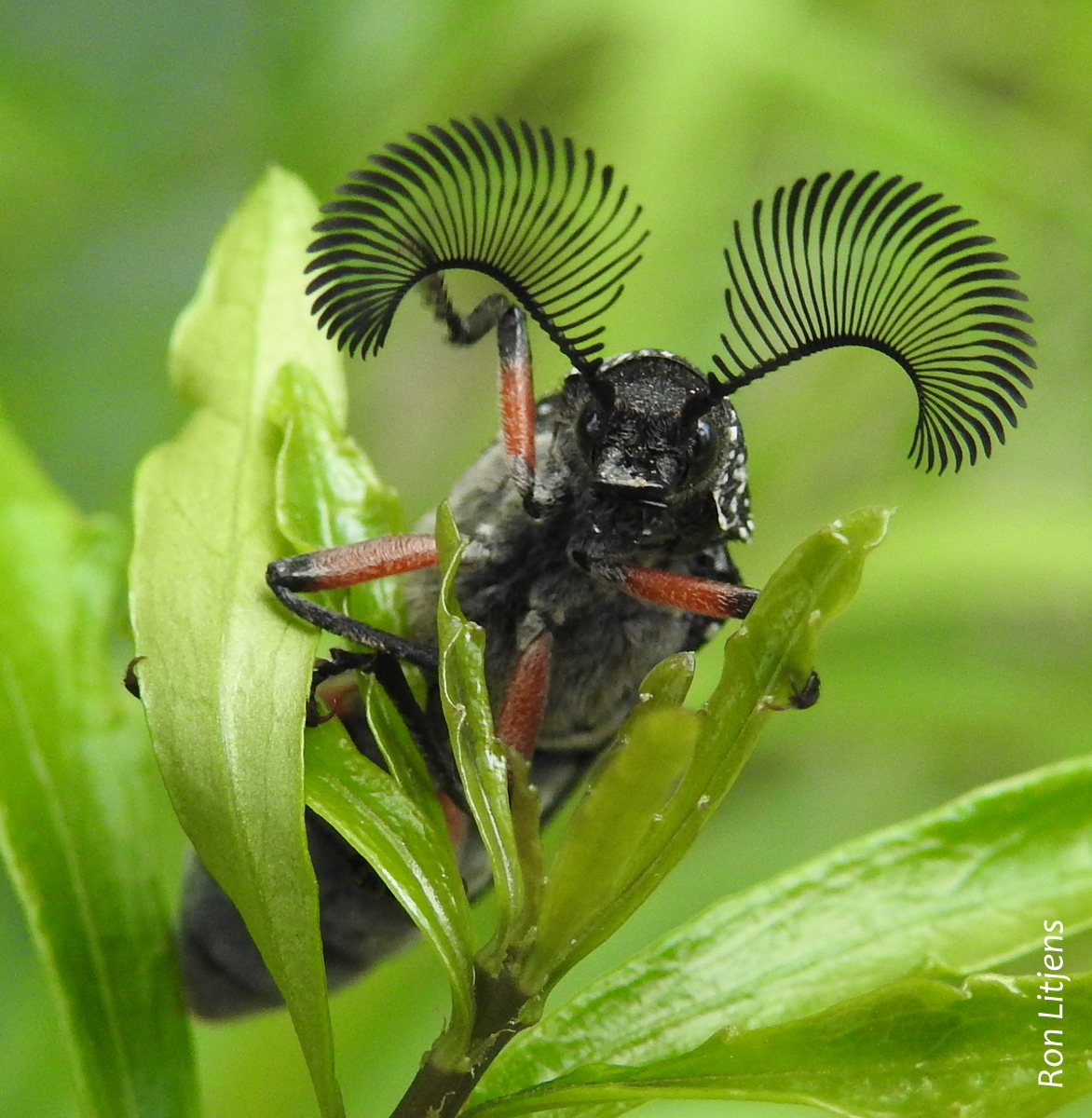
In insects the primary organs for detecting pheromones are antennae. They are attached to the head between the eyes. The antennae contain olfactory hairs that absorb pheromones from the air and allow the insect to follow the ‘scent trail’. Antennae can have a number of uses apart from pheromone detection. Cells in the base of antennae act like gyroscopes and stabilise an insect’s flight in windy conditions. Depending on the insect species antennae have a variety of forms.
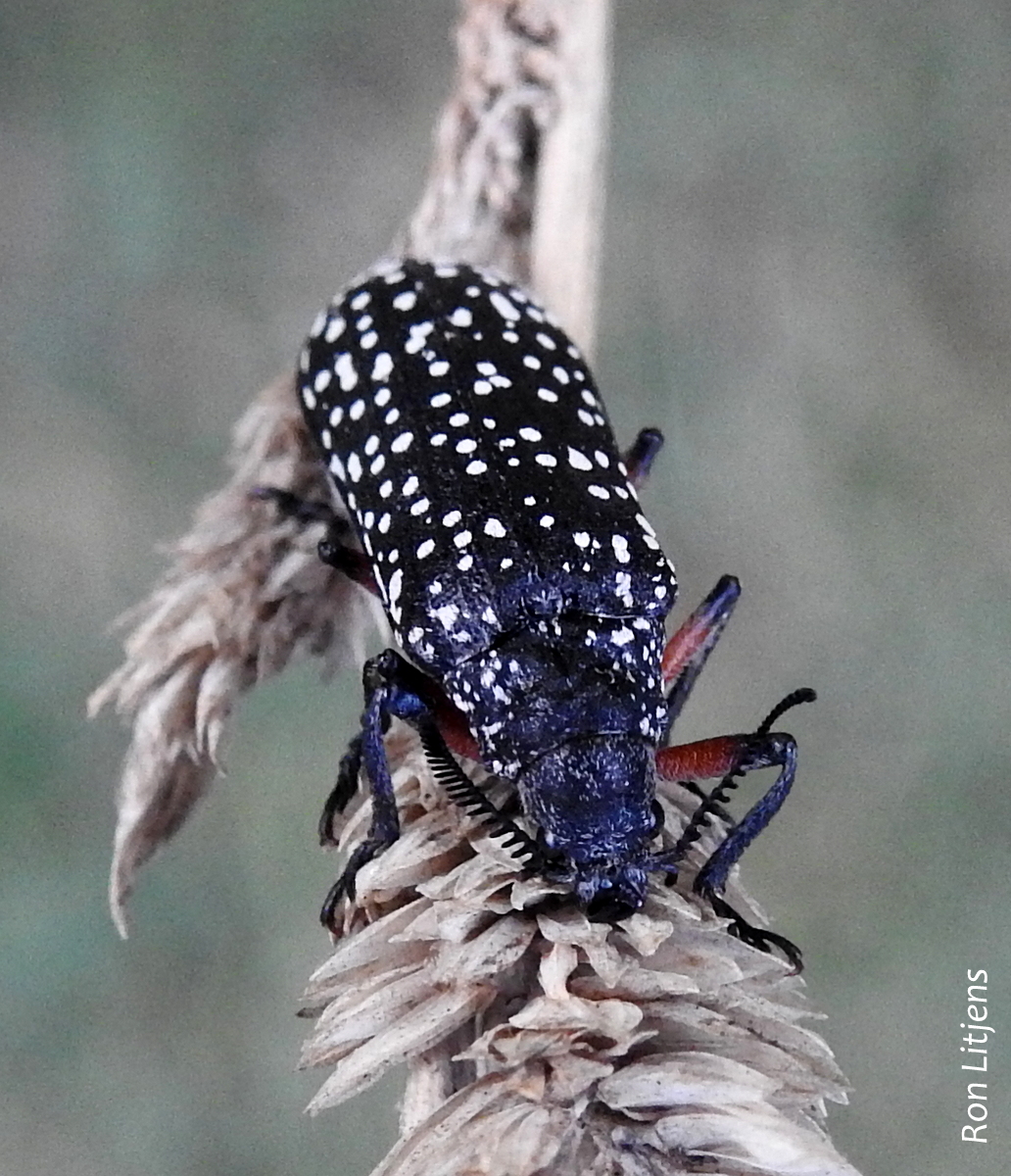
Male Feather-horned Beetles (Rhipicera sp.) have large pectinate (feathered) antennae. These antennae have large surface areas of olfactory receptors and therefore are very sensitive to pheromone trails, particularly sex pheromones, left by female beetles. The female beetle has no need for such sensitivity and has thin rod-like antennae (pictured below).
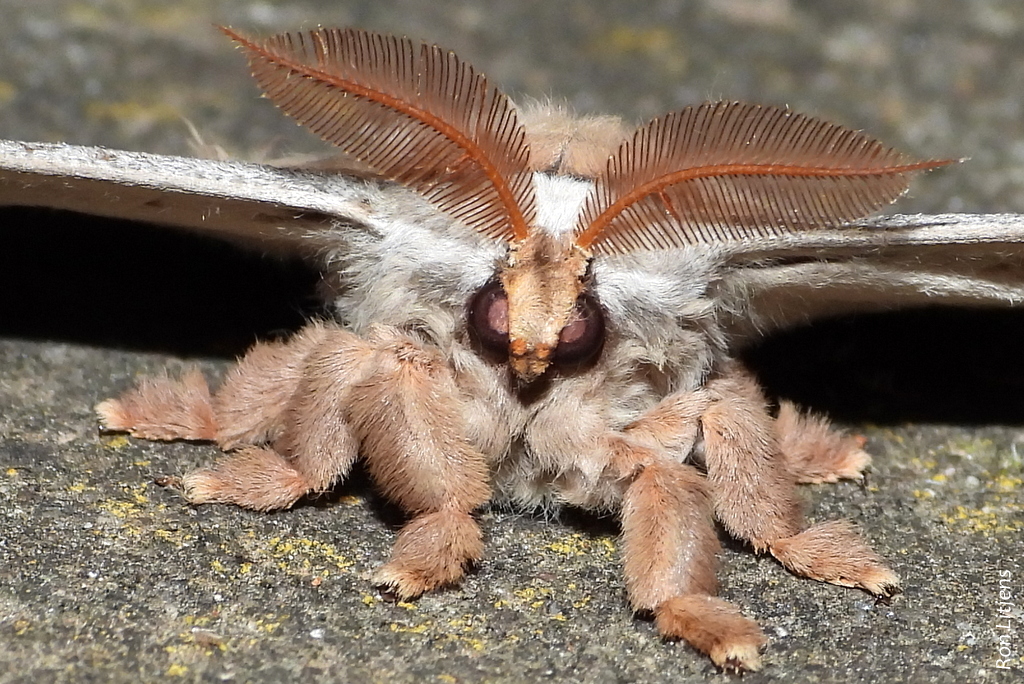
Some moth species also are equipped with large antennae. Moths are generally night fliers and cannot use sight to locate a mate so the males have developed large elaborate antennae with which they detect a female’s pheromone trail over large distances.
Personally, I’ll stick with Brut 33. No antennae needed!