When is ‘buff’ a compliment?
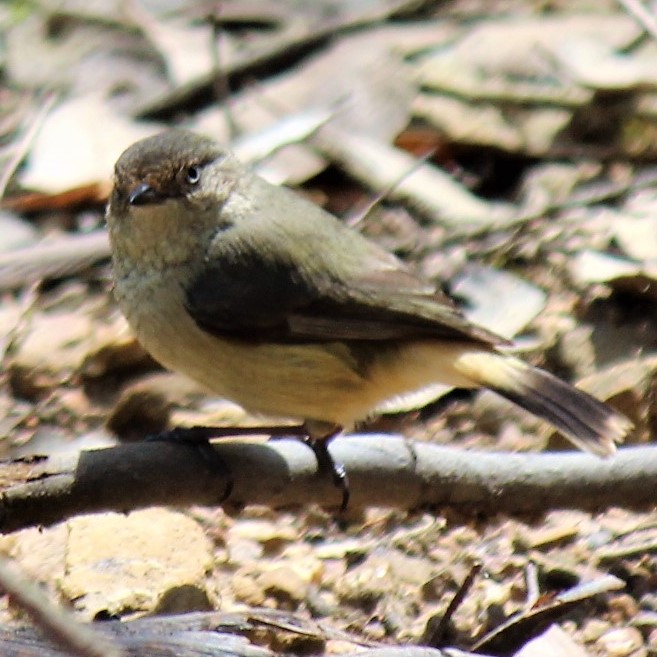
I first had a good look at a Buff-rumped Thornbill (Acanthiza reguloides) when one flew into the apple tree outside my kitchen window many years ago, and I noticed a kind of reddish tinge to its mottled forehead. They are a rather plain woodland thornbill with a tinkling call. Not common in Central Victoria, the Buff-rumped is reliably found in small flocks at places like the Lighthorse Reserve at Seymour and Constitution Hill in Yea. I came across an active flock this week and finally got some good shots. This time of year, they can form quite large flocks, but they will pair up and move into family groups in Spring.
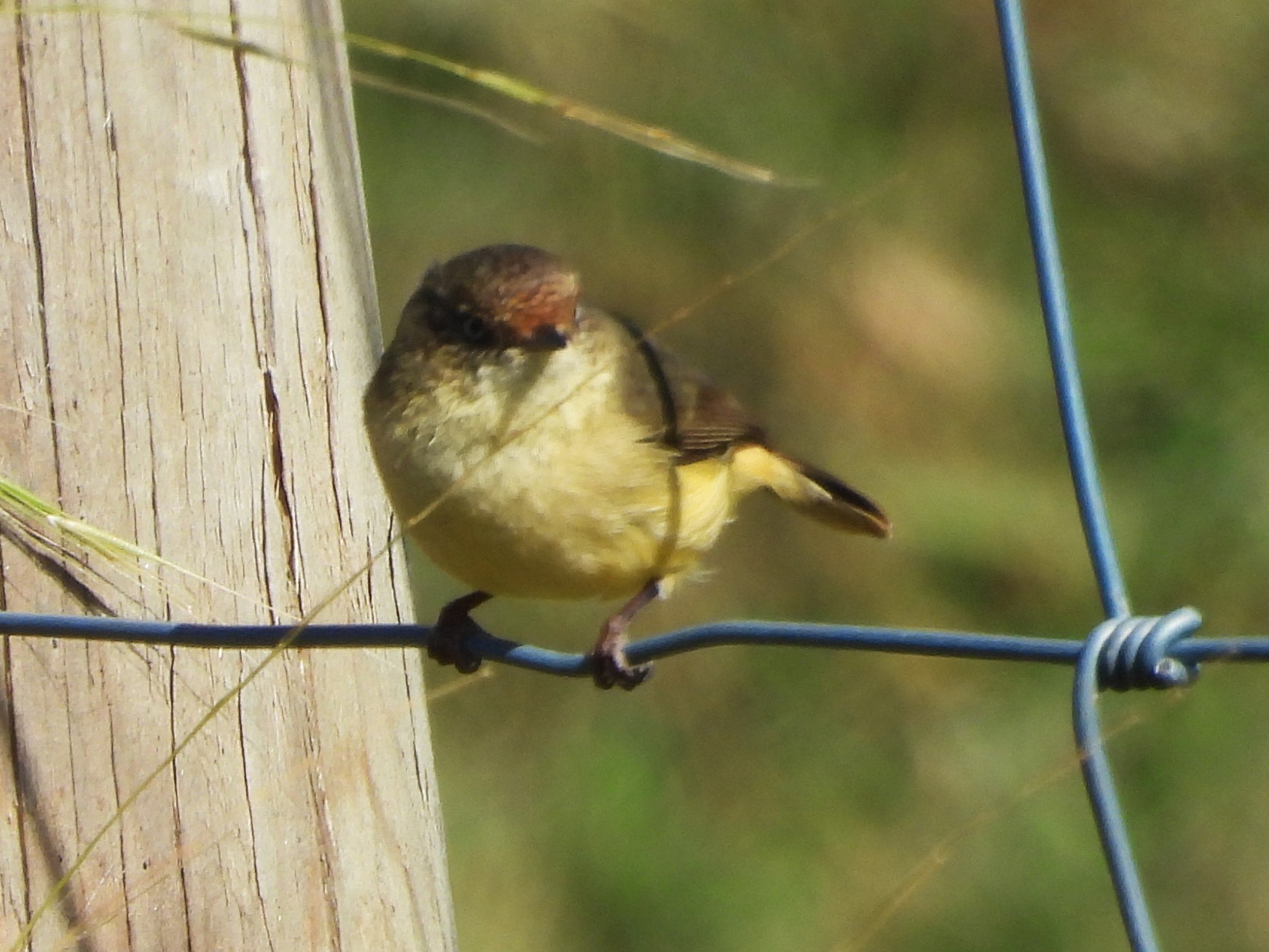
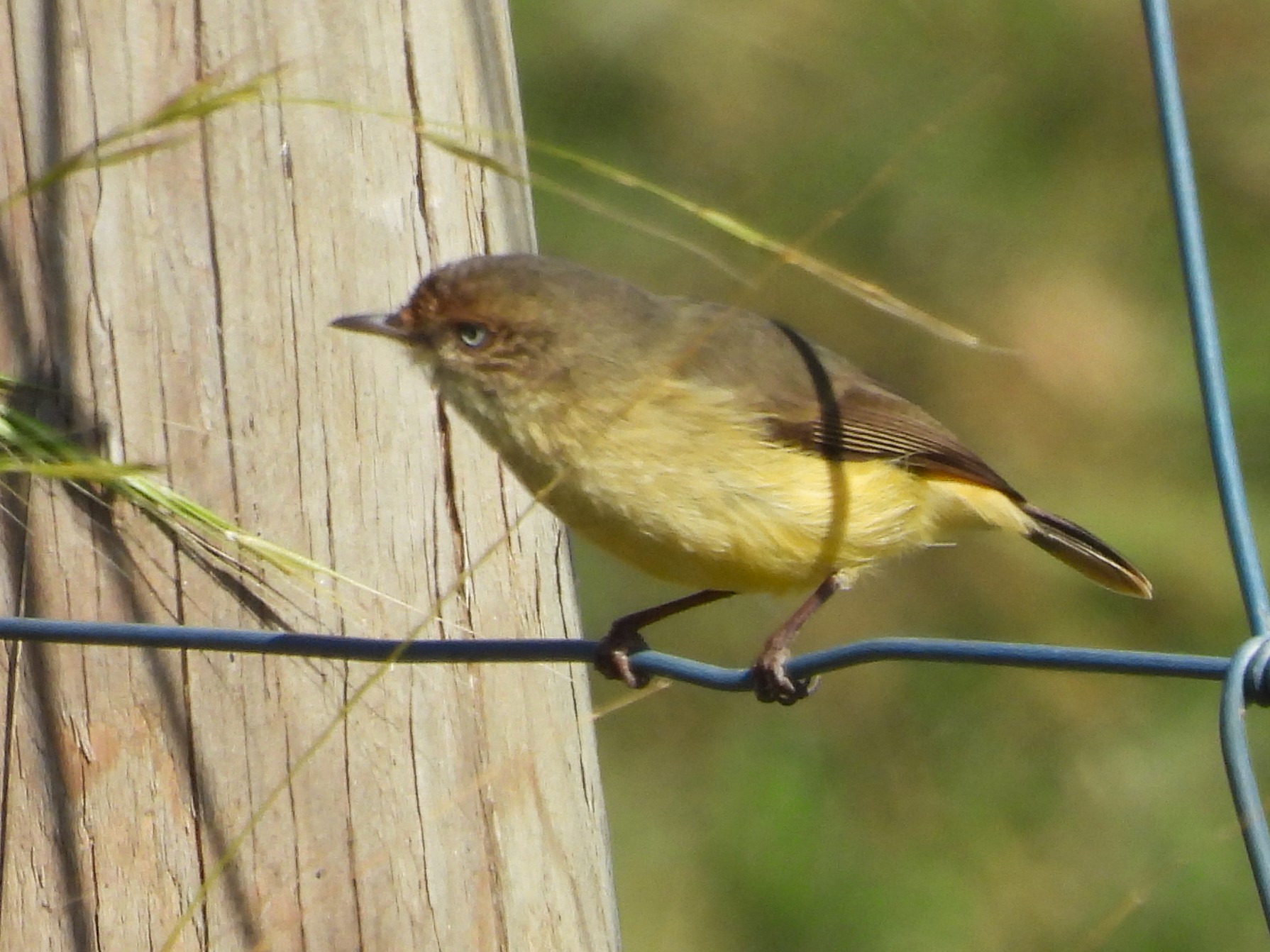
Note the very pale eye, and the lack of any streaking on the breast, and watch out for this bird foraging on the ground as well as in low foliage.
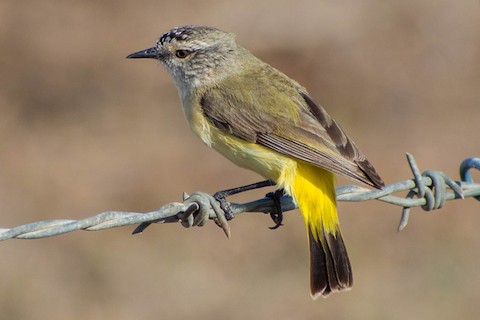
They are called ‘buff-rumped’ in order to distinguish them from the ‘yellow-rumped’ which is a brighter bird found nearly always on the ground with a cheery call. Buff is apparently a dirty dark yellow in this context.
‘Buff’ has many meanings and a name for a colour seems one of the less common ones. If a man is said to be ‘buff’, he could be naked, muscly or an expert on, say, history or cheese. It can also be a term for polishing, and historically was to do with preparing leather, especially thick undyed leather from a buff-alo.
In the case of this bird, which is neither naked nor muscly, buff refers to the colour of the rump -only properly seen when the wings are spread in flight – which is ‘a dull yellowish-brown colour’.