Birds in Strange Places
Some birds live in very specialised habitats, for example the Eastern Whipbird is only found in dense wet forests, or quail are only found in grassy plains and paddocks. But there are cosmopolitan species that can find a living in many different habitats.
I recently spent some time on the coast down near Inverloch and saw some familiar birds in surprising locations.
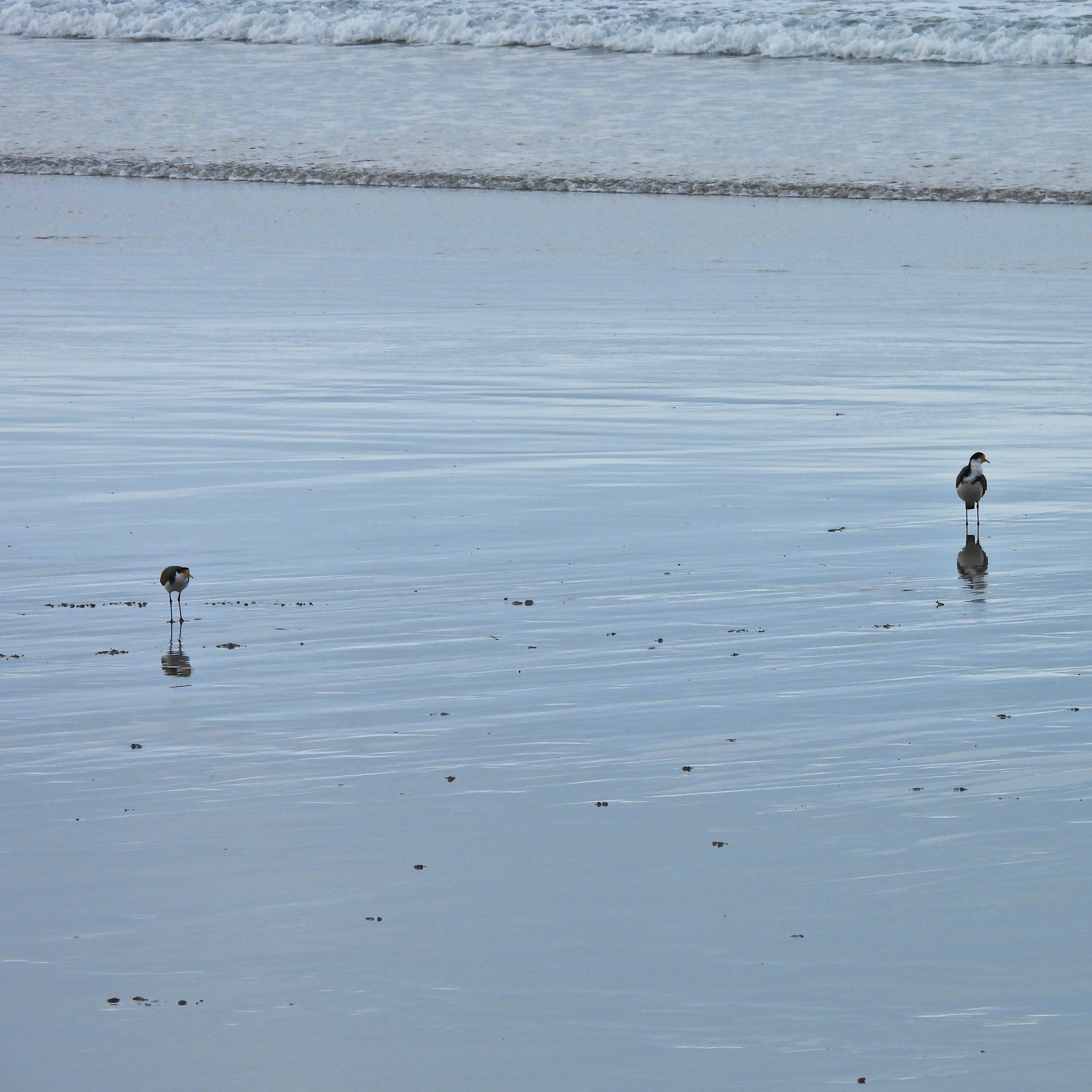
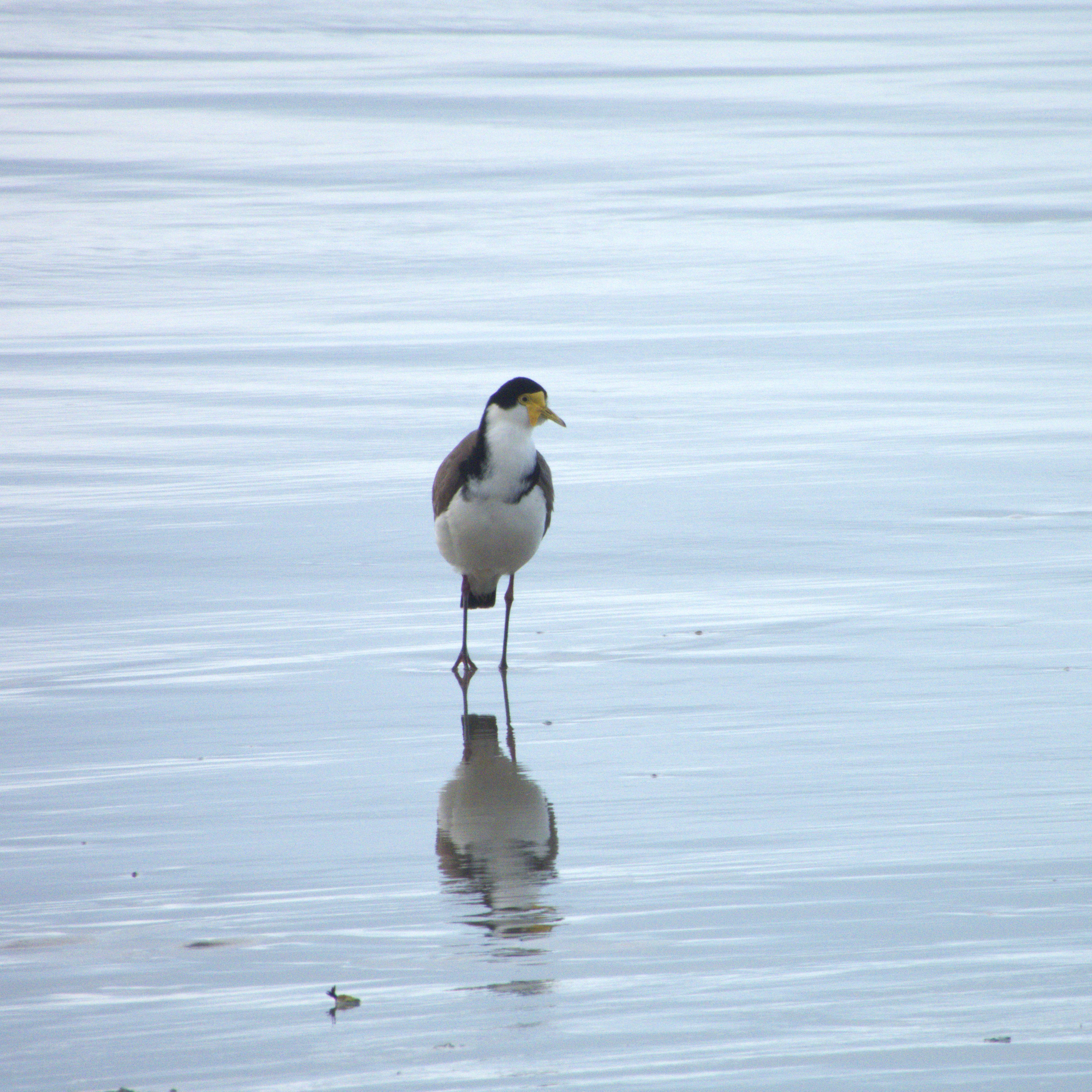
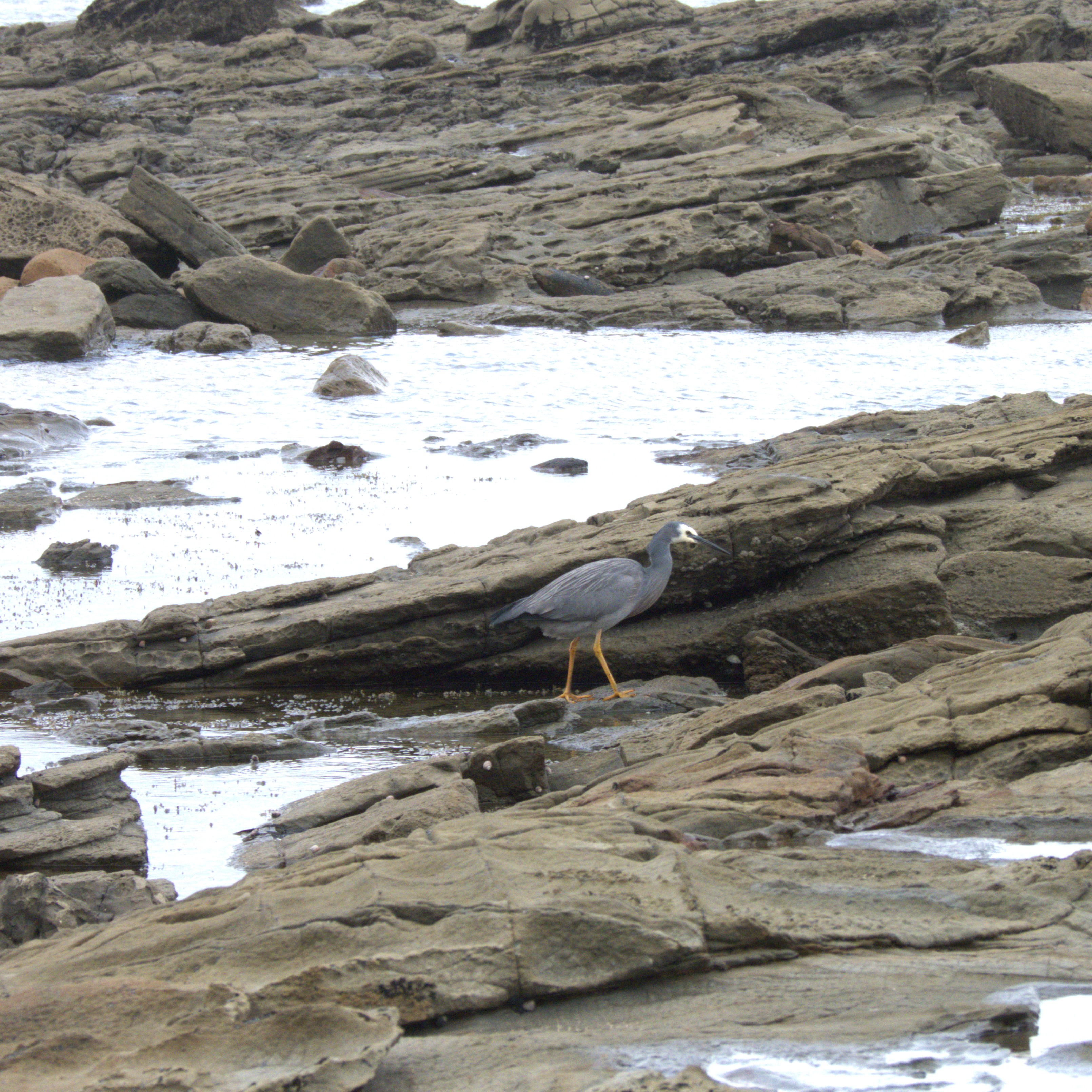
Masked Lapwing (Vanellus miles subspecies novaehollandiae) and White-faced Heron (Egretta novaehollandiae) are both common on farms and ovals, paddocks and suburbs, yet here they are close to the crashing surf on sand and rock. Perhaps it is no coincidence that both have the word novaehollandiae in their Latin name – they are birds of ‘New Holland’ the old name for all of Australia. (Although, the Lapwing’s subspecies is the one occurring in the South of the continent – the subspecies in the North is called ssp miles and has larger yellow drupes (called ‘lappets’) on its face and more white on its breast and neck).
Other common farm species also seen at the beach were ravens, starlings, cormorants and wattlebirds (in the coastal scrub).
When the apocalypse descends and the great extinction of species gains speed, we will probably lose those species that have specialised habitats and limited range. I expect the Lapwing and the White-faced heron will survive along with cockroaches and black rats. They’re adaptable, have a range of foods they can forage, and the skills to relocate easily.