The have and have nots
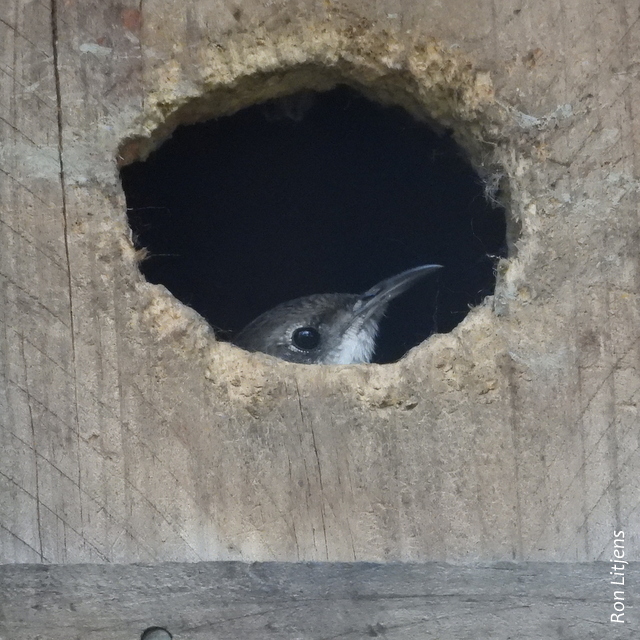
With the approach of Spring, nestboxes become hot property as fauna look for secure places to roost or rear their young. The local wetland has installed many of these wooden structures, built by the wood-working students from the local high school. The boxes are monitored regularly to see if they are occupied and by what, and to check that feral species such as the Western Honey Bee (Apis mellifera) haven’t moved in.
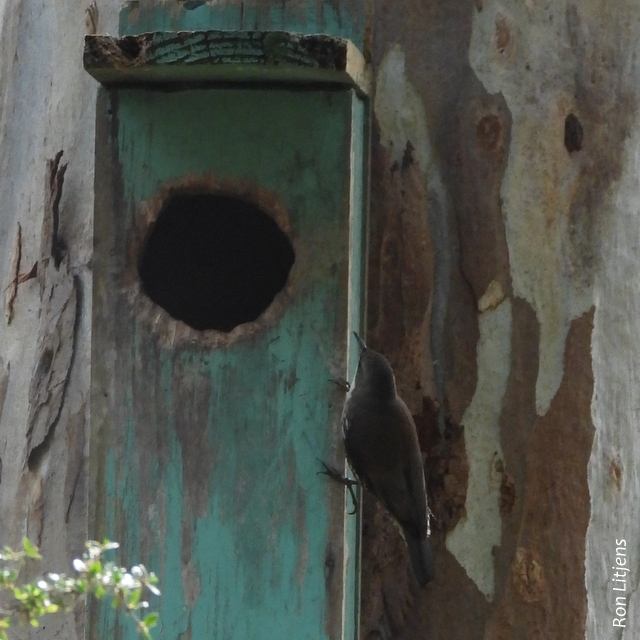
Up until last week possums (Ringtailed and Brushtailed) and Kreft’s Gliders have been the only creatures observed to inhabit the nestboxes, apart from the aforementioned Honey Bees. But last week White-throated Treecreepers (Cormobates leucophaea) were seen occupying two of the nestboxes. These birds are distributed along the east coast of Australia from Cooktown around to Adelaide. They are insectivorous and often seen climbing up the trunks of trees looking for insects, mainly ants. They occupy the same ecological niche as the Varied Sitella (Daphoenositta chrysoptera), a bird that is most often seen climbing down trees. The reason for the change in occupant is unknown. Maybe the recent flooding in the wetland has forced the ‘fluffies’ to seek accommodation elsewhere.
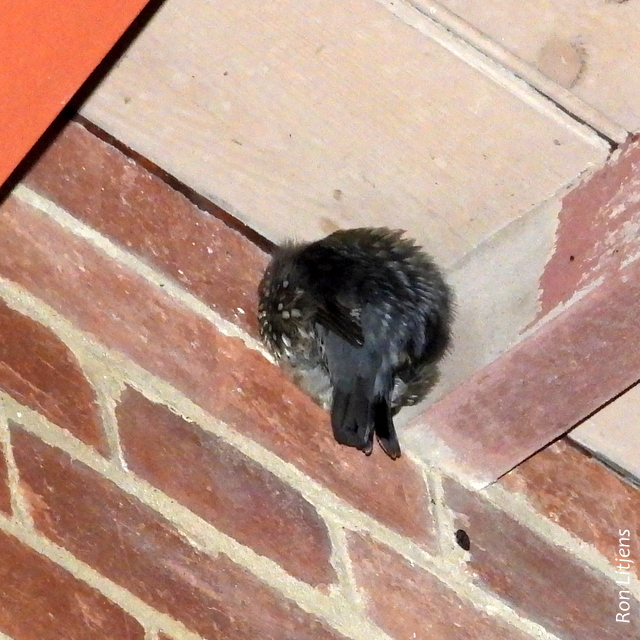
Meanwhile less than a kilometre away at my place a White-throated Treecreeper was seen spending the night tucked under the eaves (pictured left). They can do this because their legs and feet are controlled by special tendons so that when a bird bends its legs the feet automatically close. In this way the treecreeper can sleep whilst attached to vertical surfaces.
It just shows though that the housing crisis isn’t just restricted to us.