Reflections on Ten Years
I have been living in Yea for ten years taking notes on bird populations. It is endlessly fascinating to watch the seasonal flow of bird populations.
- The creaky Gang-gangs that drop in for a few weeks,
- The majestic Yellow-tailed Black Cockatoos that visit with their ponderous looping flight
- The feverish calling of Rufous Whistlers and Yellow-faced honeyeaters that begins in September and continues over Summer
- The arrival of cuckoos and kingfishers
- The fleets of ducklings trailing behind watchful parent Wood Ducks or Black Ducks.
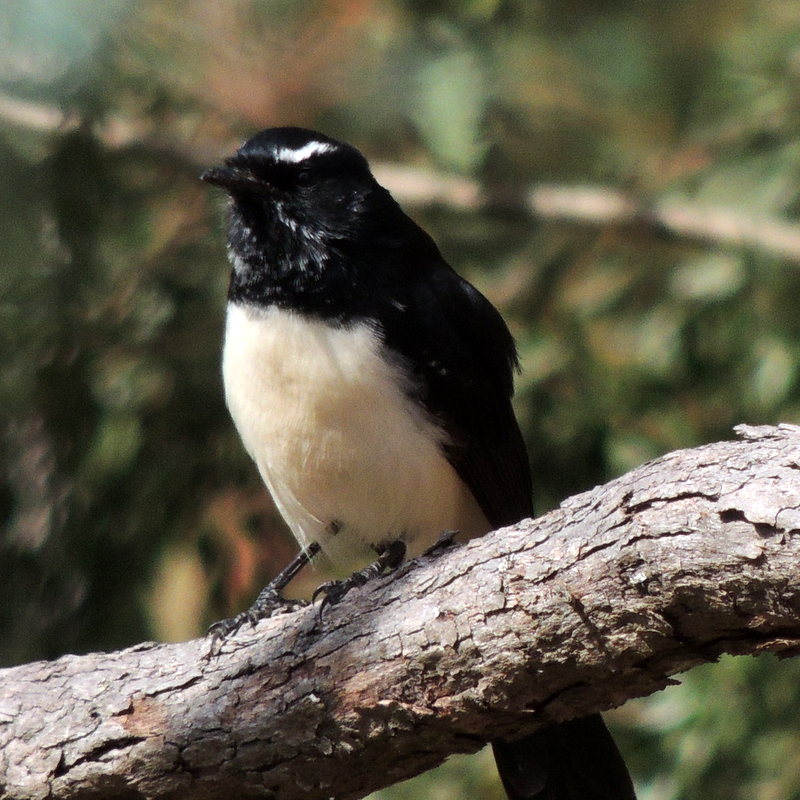
However, it saddens me that I have witnessed in this short period a clear decline in some once-common birds. The Willie Wagtail was often considered the most ubiquitous bird in Australia – easily observed from every highway in Australia. It’s getting hard to find them around the district now. Their cheery call, sometimes described as “Sweet-and-pretty-little-creature” can sometimes extend into the night time in Spring and they should be companions in every farm and park. Why are they declining? One factor is the increased presence of Pied Currawongs which ruthlessly predate their nests and eat the chicks. This large scavenger used to spend warm seasons in the high country and only roam lowland towns between May and September. Now they are present all year (some researchers name 1985 as the first year of their refusal to migrate) and could well be a primary cause of decline in many small bird populations. Incidentally, Currawongs also eat berries of weeds like Privet, Hawthorn and Cottoneaster, contributing to their dispersal. They do control destructive insects in the forest as well, so they are not all bad.
Magpie larks are also declining. Once an annual event in Yea Wetlands, the construction of their unique mud bowl nest has ceased. They can still be found around the district but in smaller numbers. I used to love the arrival of Scarlet Robins around the farming district each Winter, I rarely see them now. However, the Flame Robin seems to have increased in number to compensate.
When i first bought my house in Yea, we had a resident Boobook owl whose roost could be discovered by following the outraged calls of small birds that love to mob owls when they are discovered in their territory. Owls have become seriously rare. Some commentators blame rat poison – Ratsak changed their formula to a faster-acting chemical that results in the death of owls that eat the dying rat.
It has been good to watch White-faced Herons and Australian Ravens become customary breeders in Yea Wetlands. This has only been the last few years, they were rarely seen there in 2014. But back then, Australasian Swamphens and Great Egrets were more common and now they are rarely seen. I think these reflect local variation not population decline. When conditions are right they should return.
I note that, this year, the Northern visitors that were seldom seen have been more common – Noisy Friarbirds and Blue-faced honeyeaters have both been breeding here. There were no lorikeets in Yea ten years ago; Rainbow Lorikeets are now resident.
The first thing I did in my house in Yea was to plant locally-native plants in the garden and reduce the dominance of useless introduced plants like Kikuyu grass, English box or Photinia hedges. These plants, along with flaxes, agapanthus, palms and pittosporum attract no insects, are boring to most wildlife and produce desert conditions for birds. It is such a joy to see the return of pollinators and many small birds to my revegetated small urban block.
These ten years have been wonderful indeed, and I am sad as I prepare to leave Yea and move to Warragul. I take with me a suitcase of great experiences and precious friendships from which I hope to draw to enrich the new community I will call home.


Lifecycle in five pictures
The Dotted Paropsine Leaf Beetle (Paropsis atomaria), pictured below, is one of many species of Eucalyptus Beetle feeding on our gum trees at the moment. Atomaria refers to the speckled colours on the wing cases.
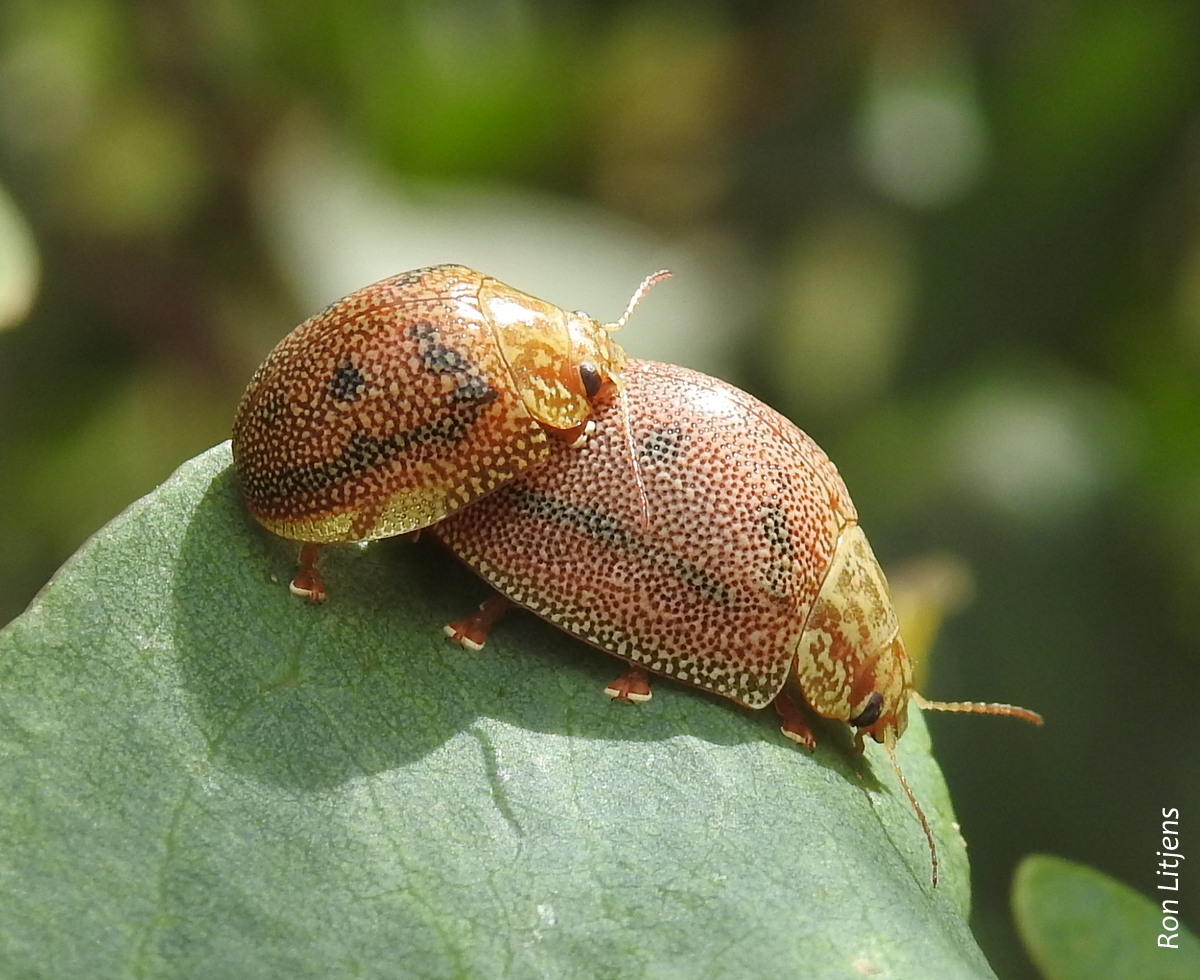
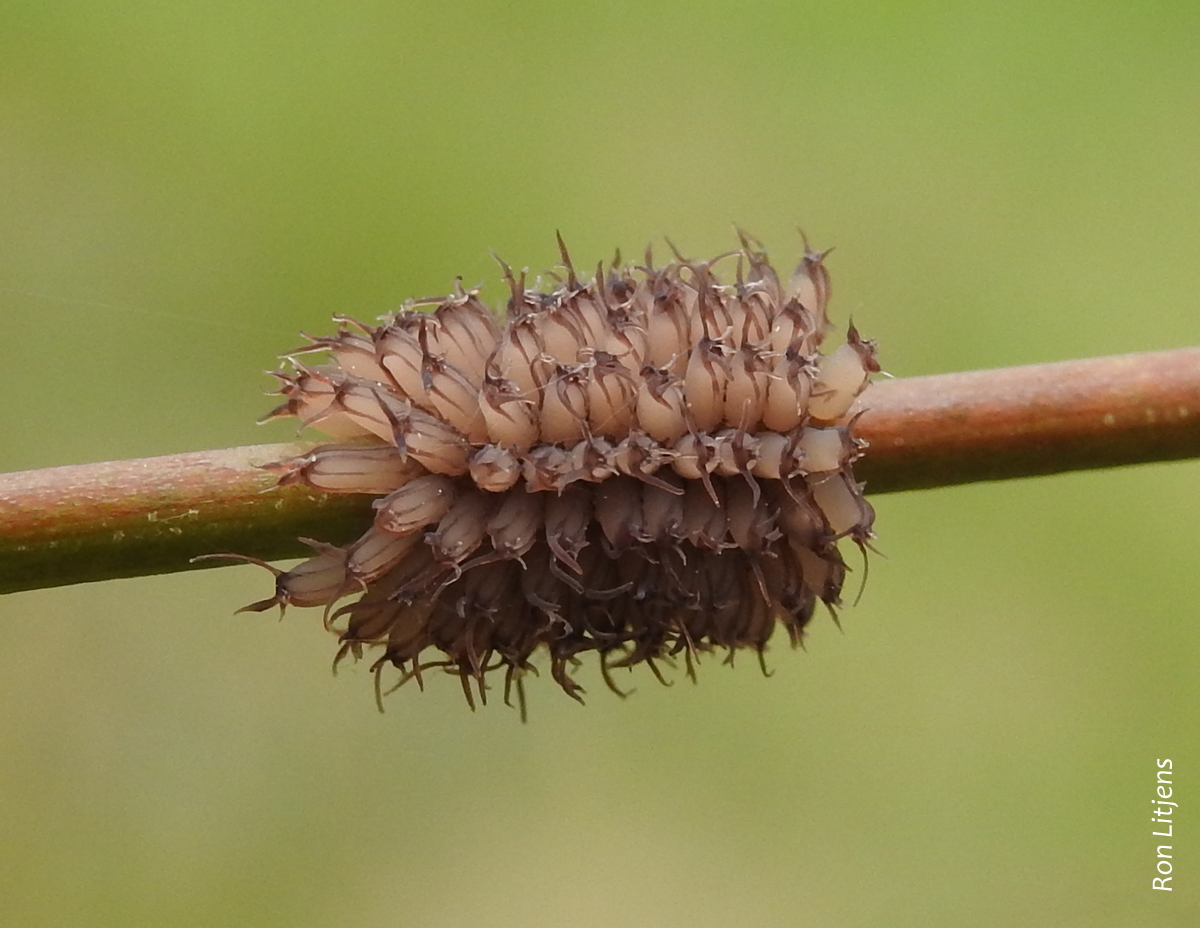
After mating tubular eggs are laid in a cluster around a gum twig by the female beetle. The larvae when hatched are yellow with a black head and tail and covered in small black dots.
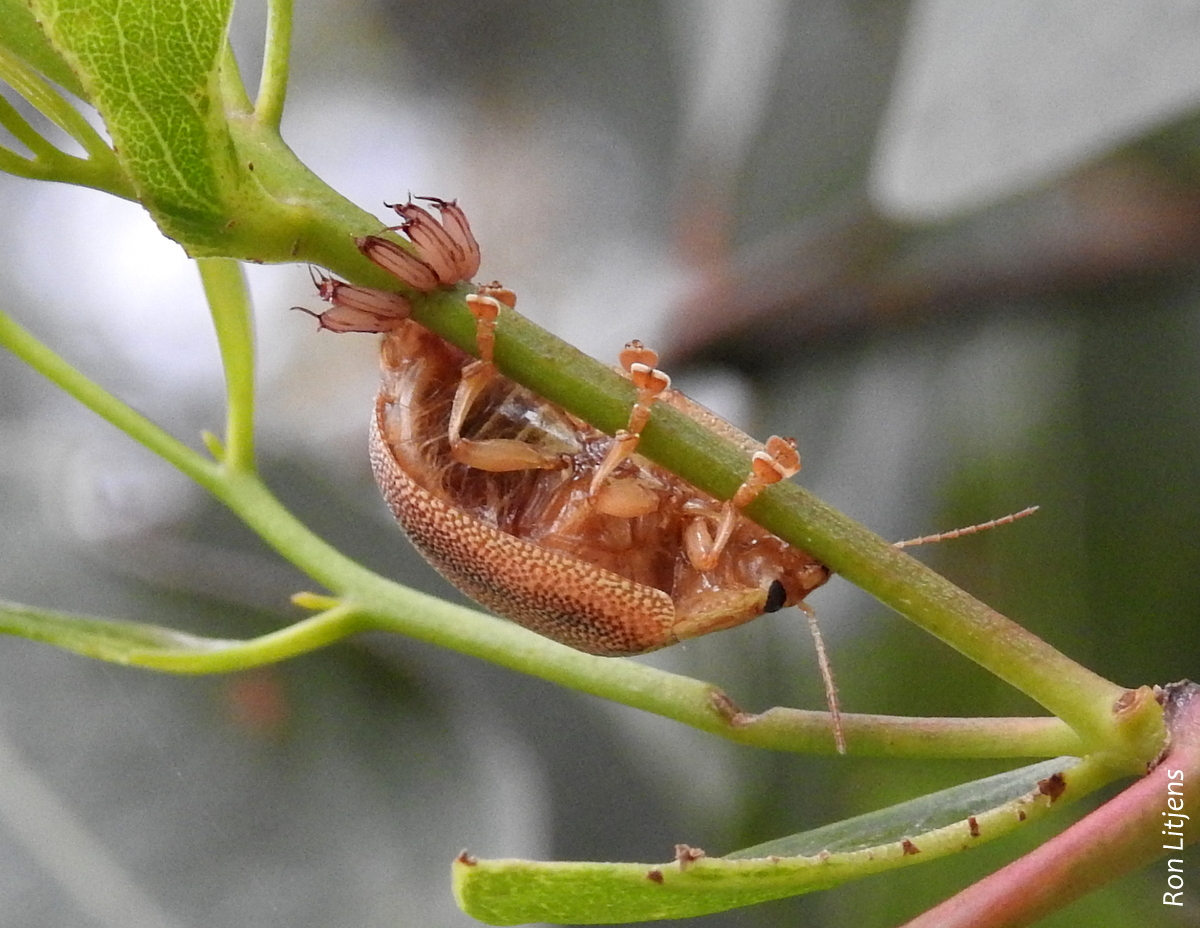
Both the adult and larval forms are herbaceous. The larvae form groups that entirely devour young gum leaves. They pupate in the ground and emerge as adults, which feed on more mature leaves, creating semi-circular shapes in the leaf margins.
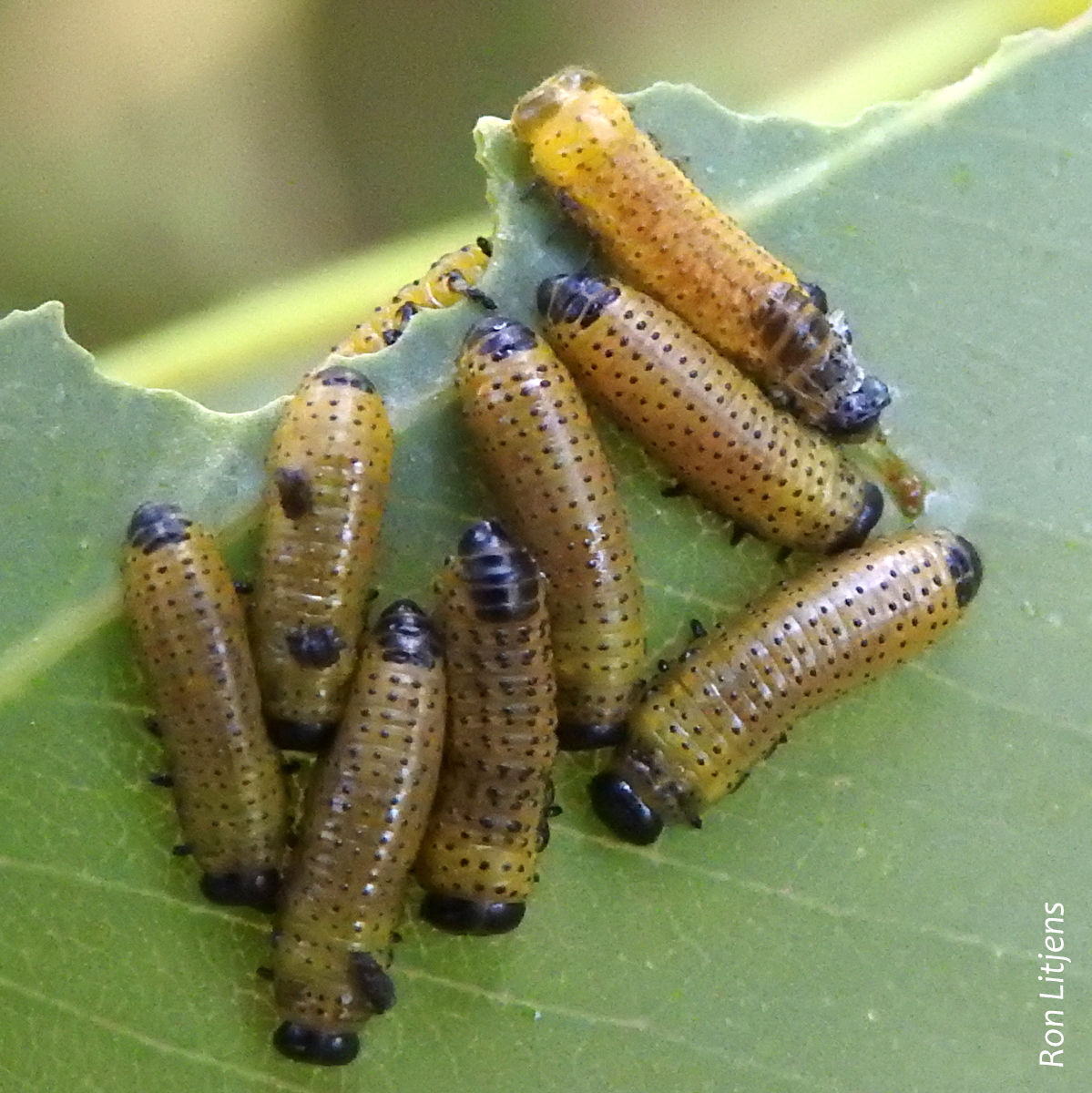
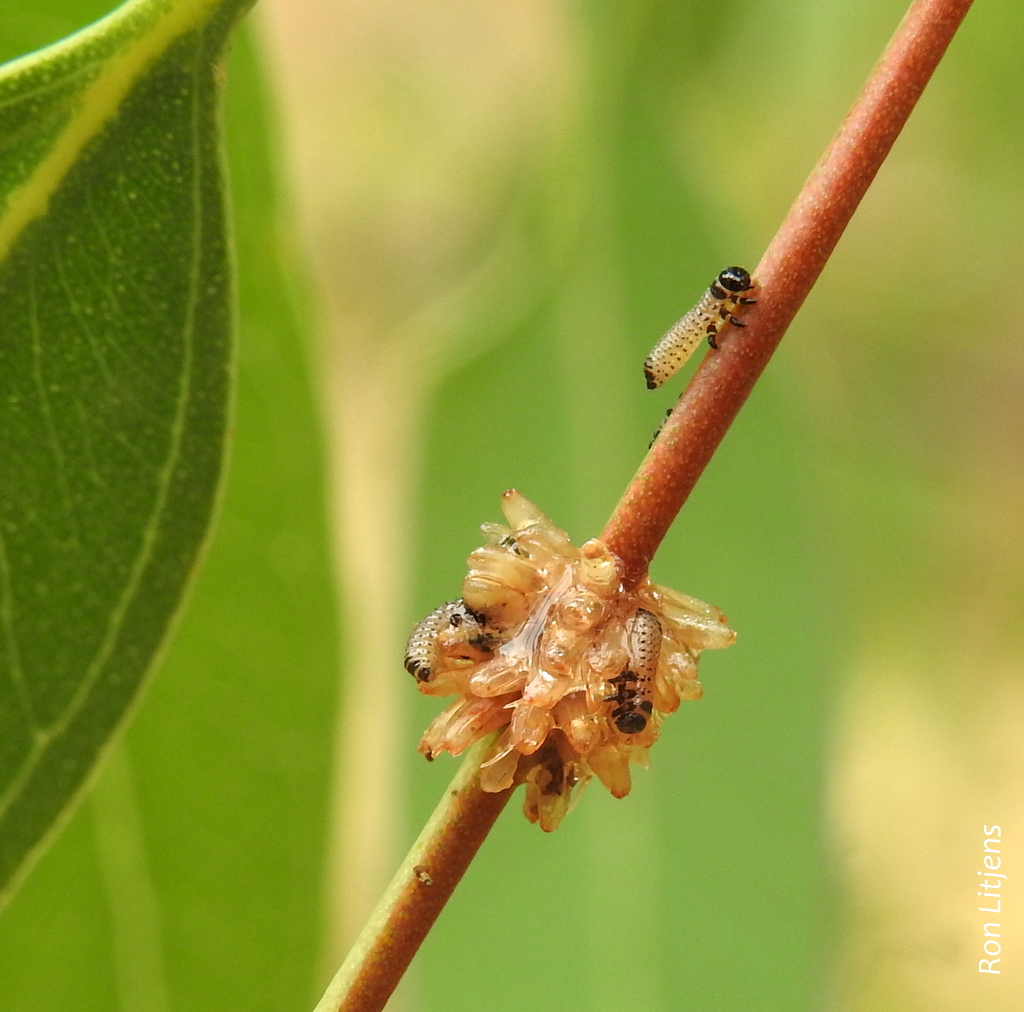
The many species of Leaf Beetle come in a range of colours. At this time of the year they provide welcome mobile tree decorations – unless you are a tree grower!
Beware of the pointy ends
Eastern Long-necked Turtles (Chelodina longicollis), alternatively known as Snake-necked Turtles are one of 23 species of turtles in Australia (we don’t have any Australian tortoises). During the hot summer months these turtles bury themselves in the mud of dried up water bodies but heavy rain triggers them to migrate over land to find new food sources. Given our current weather it is no surprise then that recently turtles have been on the move – lots of them.
Long-necked turtles can be found in slow moving or still water bodies. A quick trip along the Goulburn River at the moment where a many billabongs have be filled by the recent flooding will reveal many turtles either floating on the surface or sunning themselves on nearby logs (see photo below).
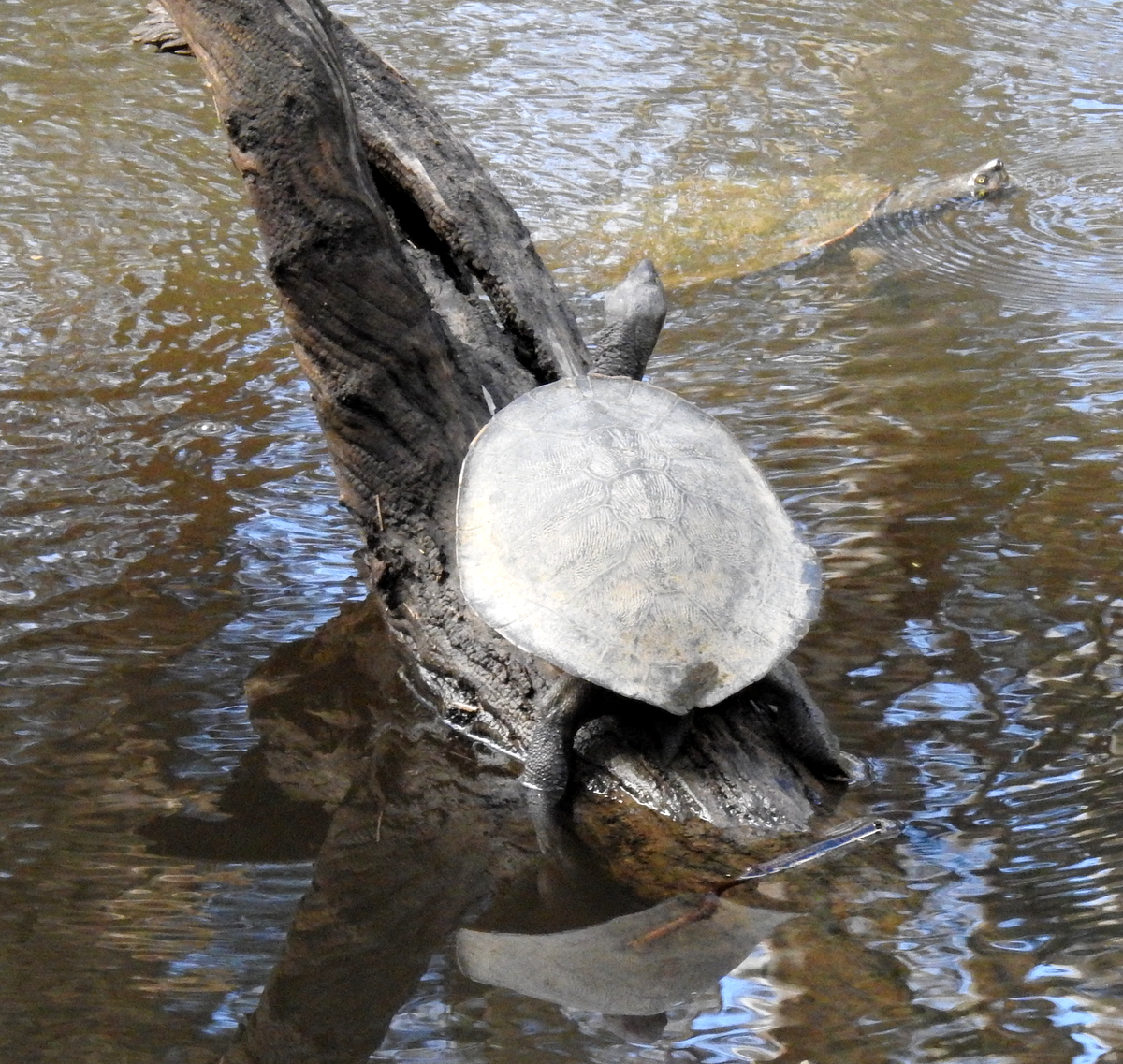
The turtle’s life is not all sun and swimming. In their moves to greener pasture they are often killed crossing roads as they are very slow moving and their colour makes them hard for drivers to see. ‘Helping’ a turtle cross the road is fraught with dangers for the uninitiated. Turtles are carnivorous eating fish, frogs, tadpoles and yabbies using there sharp claws to capture and then tear apart the prey and even though humans are not in their diet they can deliver a painful nip if picked up incorrectly.
If annoyed long-necks can also emit an offensive spray from the anus so when picking up a turtle, orientation is everything. Beware of the pointy ends!
When customs don’t translate
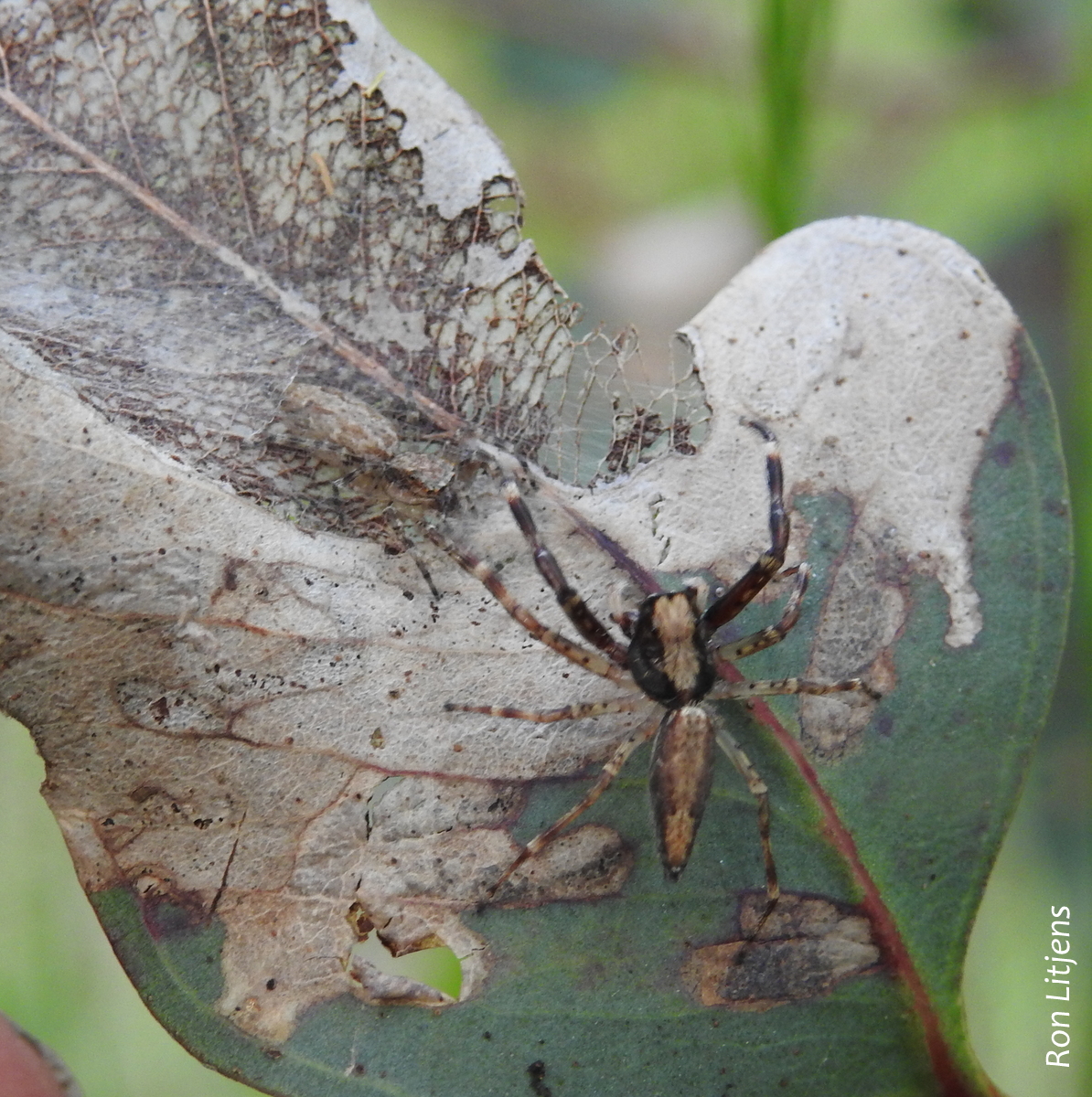
The mating rituals of spiders are quite complex. For web-based spiders such as Orb-weavers it consists of the male spider tapping the web and seeing what response it gets from the female in the centre. For creatures such as Jumping Spiders it is trickier. With its front pair of legs the male spider has to reach over the front of the female and tap it gently on the ‘head’ to see if a favourable response is forthcoming. Sometimes it has to do this a number of times. This is fraught with risk for the male spider. One false move or misinterpretation of the response could mean the male spider becomes dinner.
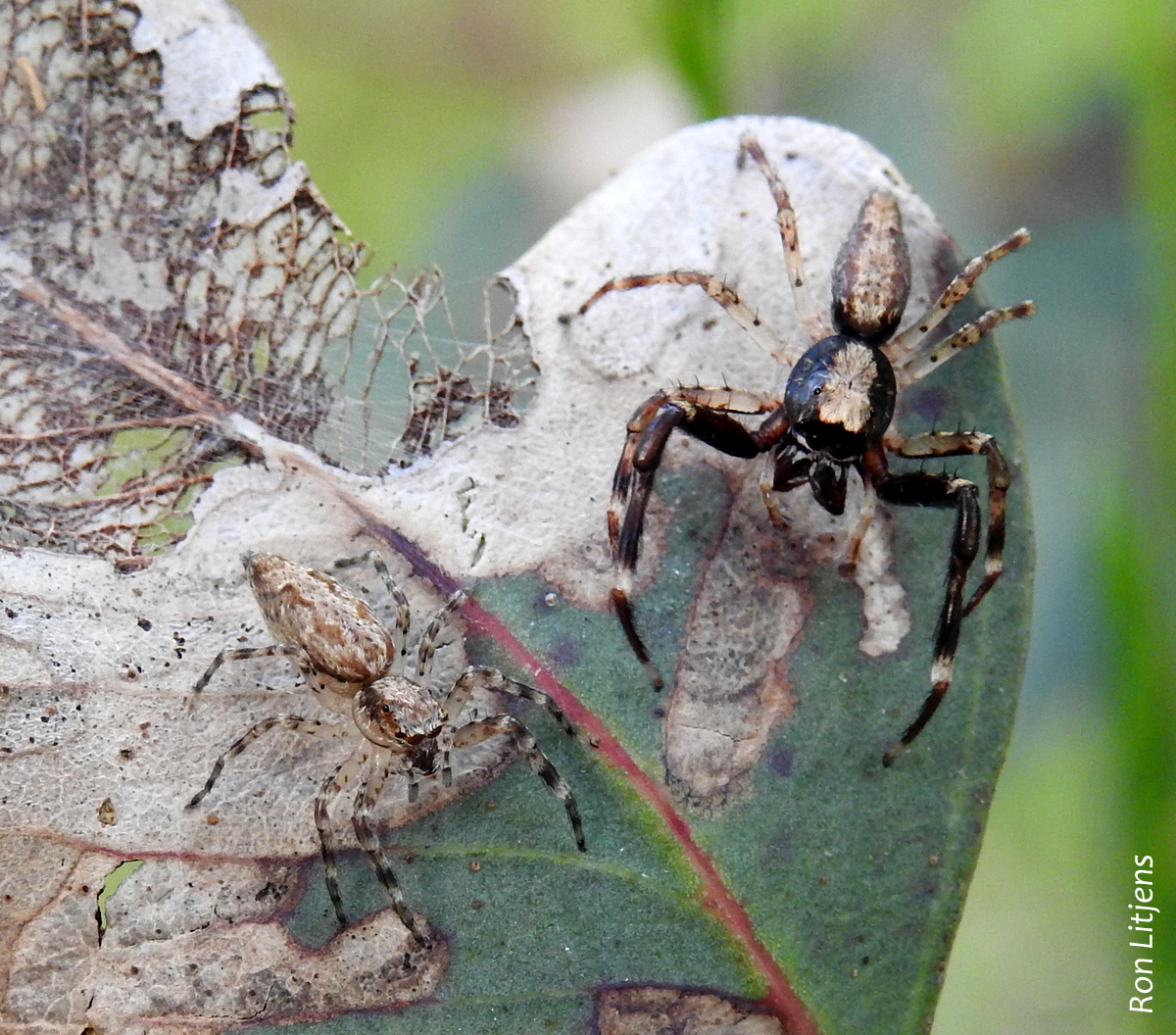
I was fortunate enough this week to witness such a display between two Threatening Jumping Spiders (Helpis minitabanda). Pictured above is the male spider (right) tapping on the web that the female was sitting under. It took a number of minutes before the female spider came out. What followed was a series of ‘body-taps’ where the male moved in, tapped and then quickly retreated (pictured right) to assess the reaction to his advances. Unfortunately both spiders got annoyed with my watching and jumped away, hopefully to mate in privacy.
After taking a leaf out of the male spider’s ‘How to romance those of the opposite sex’ book I have subsequently found that female humans, particularly complete strangers, respond badly to someone reaching out and tapping them on the head.
P.S. The mating rituals of spiders and other arachnid facts will be the topic of a Strath Creek Landcare Group presentation after the AGM on November 27.
Ten years on, the same punch line
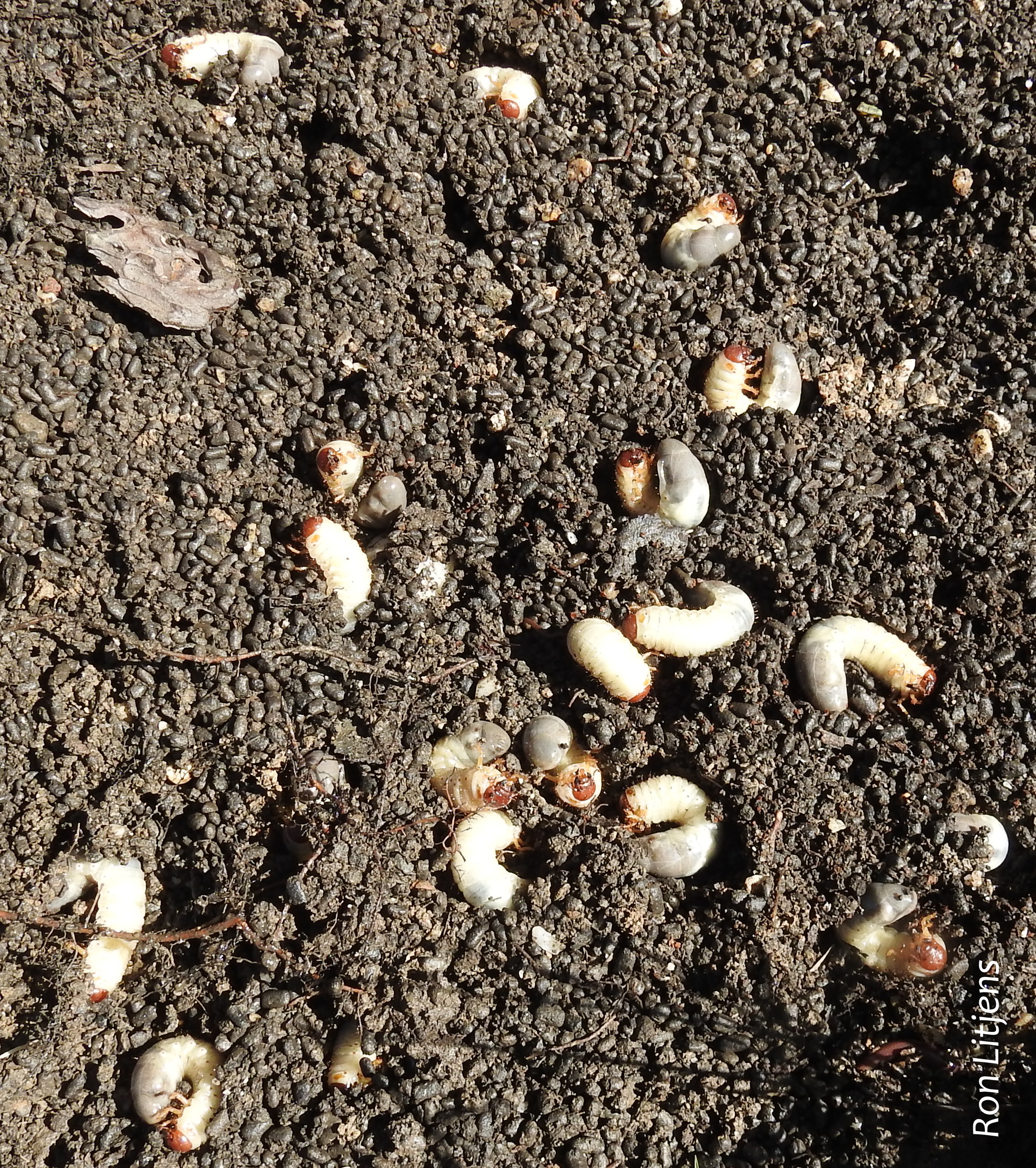
It was ten years ago that I wrote my first story for Focus on Fauna. It was about a Longhorn Beetle larva I found whilst chopping wood. I was reminded of this when I overturned a pine round recently and found a nursery of Scarab Beetle grubs buried underneath (see photo left). As a kid in both cases I would have called these insect finds Witchetty Grubs after the mythical (at the time) bush food I had heard about at school.
True witchetty grubs are in fact the caterpillars of the Cossid Moth (Endoxyla leucomochla) found in the Northern Territory that eats the roots of the Witchetty Bush (Acacia kempeana). To be fair the term witchetty grub is often used for any such grubs if they are used for food. Australia-wide there are close to a hundred named Cossid Moths. Most of them have caterpillars that are wood borers.

Last week whilst tidying up the woodpile I came across a striking pink caterpillar, pictured right – you guessed it, a Cossid moth caterpillar. Though not a true Witchetty Grub it is a close cousin.
Still tastes like chicken though.
So they say.
Ten years on, the same punch line.
Family truths exposed
Traveling around the district on my daily cycle ride gives me the opportunity to photograph some amazing fauna but sometimes one comes across a tragic sight (pictured below left), a wombat with mange. Mange is caused by the parasitic mite Sarcoptes scabiei. The female mite burrows under the skin of the host and lays eggs. When the eggs hatch it causes extreme discomfort. In humans this is called scabies.

Parasitic mites were thought to have been introduced to Australia from Europe on the livestock of the first settlers. In addition to wombats mange is known to affect wallabies, koalas, ring-tailed possums and bandicoots. Wombats seem to be the most affected because their burrows provide good conditions (cool and humid) for the survival of the mite if it doesn’t have a host. In addition wombats with overlapping territories are known to share burrows making mite transfer between animals easy.
Successive generations of mites cause thickening of the skin and hair loss in the host. Excessive scratching by the animal then results in open wounds and the possibility of secondary infection (see photo above). In severe cases mange can cause the death of the animal. Unfortunately there is no method to eliminate these mites in the wild although individual animals can be treated with chemicals such as moxydectin.
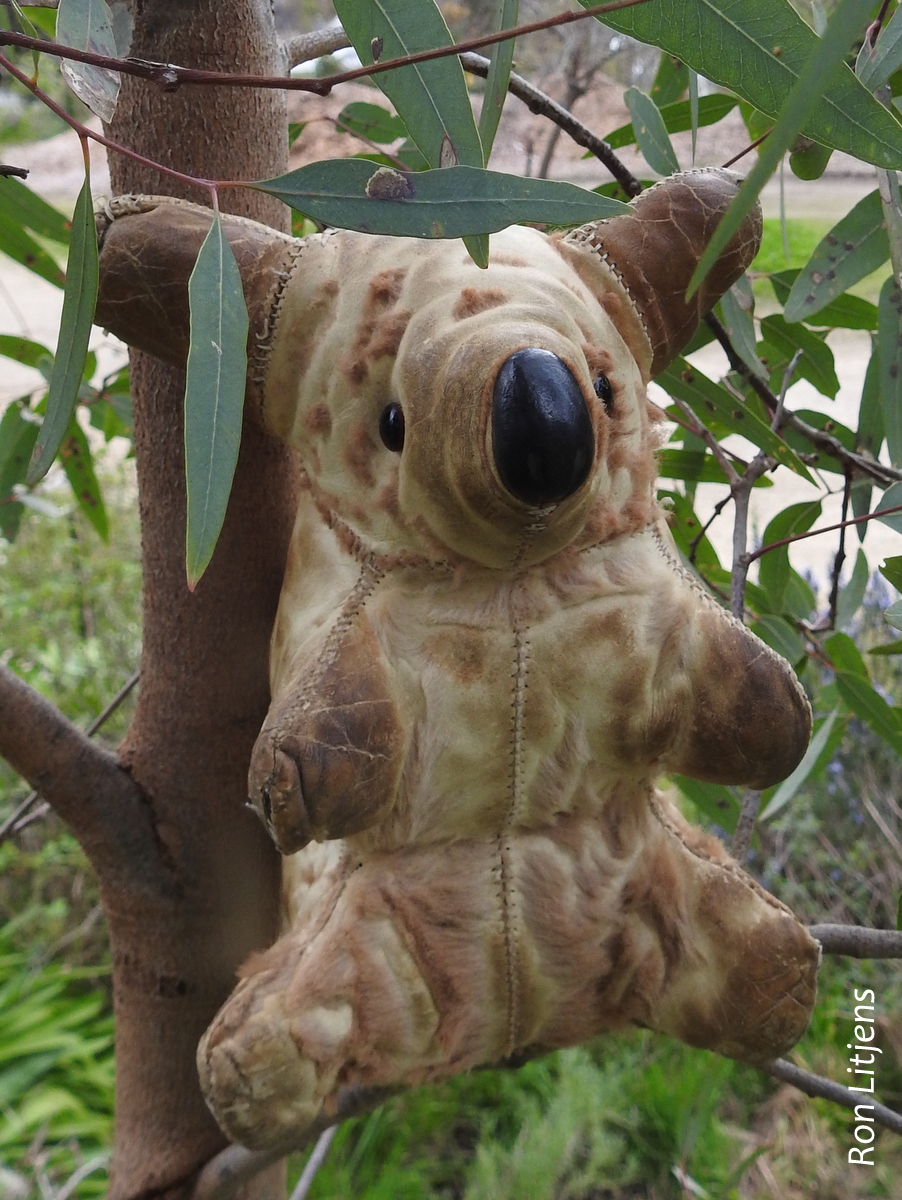
Not to trivialise the mitey problem that mange creates in the wombat community, when I was a child I had (like most kids) an inseparable toy. Mine was a koala called Ted (I was not known for my originality), pictured right. My mum always told me that Ted was in the state he was in because I’d ‘loved all the fur off him’. I now suspect that Ted had mange. Another family myth exploded!
One week early

The first warm day heading into Spring last weekend saw a flurry of activity in the tops of the young eucalypts I have growing on the property. The insects looked like flies but on closer examination they turned out to be tiny beetles – Swarming Scarabs.
Swarming Scarabs is the common name given to small beetles from the genera – Automolus sp. (active during daylight hours) and Lipartrus sp. (mostly active at night). They are about 4 – 5mm long and are generally brown in colour and when the time is right they turn up in large numbers to feed. What they feed on is the leaves of eucalyptus trees and in particular the tiny fresh shoots that appear at the top of the plant. These beetle swarms can do extensive damage to young eucalypt plantations causing dieback of the young shoots and defoliation of the tree.

In the numbers I saw I’m not too concerned for my trees. We have an agreement. They are allowed to eat 5% of the vegetation.
P.S. And don’t think I didn’t notice those pesky aphids in one photo, sucking the sap out of the new growth
I can dig that sound

Mole crickets (Gryllotalpa sp.) are insects that spend most of their lives underground in a system of tunnels. They have been described as the platypus of the insect world because of the many disparate parts to their bodies. A mole cricket is equipped with shovel-like front legs that it uses to quickly burrow through soil. Although a cricket the back legs are not designed to jump but to push earth aside. The shovels, head and thorax are ‘armour-plated’ (see picture above) to protect it underground. The abdomen is soft and ends with a pair of cerci, appendages that serve as sensory organs (pictured below right).

Most mole crickets are herbivores eating the roots of grasses and other plants. In some areas they are regarded as pests, such is the damage that they do to the roots of lawns. The male mole cricket does not fly. To get a mate it needs to signal a female mole cricket flying by with the hope of attracting its attention. It does this by rubbing its upper wings against the lower wings. The sound delivered is almost a pure tone.
To make the sound louder (and therefore make itself more attractive to any passing females) the male cricket constructs a specially designed tunnel. It is perfectly smooth inside and flared much in the way a loudspeaker or trumpet is. This shape maximises the efficiency with which soundwaves from the cricket are transferred to the air. The process is so efficient that on those summer nights when you hear insects chirping in your garden the mole cricket sound is by far the loudest, reaching over 90 decibels.
That loud night-time chorus I can dig which is exactly what the mole cricket had to do to get that sound.
A grim reality
After kangaroos, the Common Wombat (Vombatus ursinus) is probably the most commonly seen marsupial in this area. Unfortunately that is because they are most often seen dead on the side of the road after having been hit by a vehicle.
Wombats are nocturnal (active at night) and crepuscular (active at dawn and dusk) so are not often seen. However evidence of their existence is all around. Wombats build extensive burrow systems that they are continually renovating. Throughout the landscape there are many holes in the ground with fresh piles of dirt outside. They also regularly damage fences by digging under them or pushing through them. Most distinctively wombats have cubic shaped poo.
Their short stature and dark coloured fur make wombats particularly hard to see after dark especially against a dark road surface. Dead animals are often found on bends in the road where the headlights of cars tend to be shining off the side of the road and by the time the wombat is lit up by them it is too late.
And so we come to last night. Driving from Yea to Flowerdale I passed three new carcasses on the road. Such is the rate of wombat deaths in our area that unfortunately I am almost immune to the sight and the carnage hardly registers but last night I came across the scene of a dead adult wombat and several metres up the road a dead joey (baby wombat). It had obviously escaped the pouch and wandered off up the road only to be hit by another car.
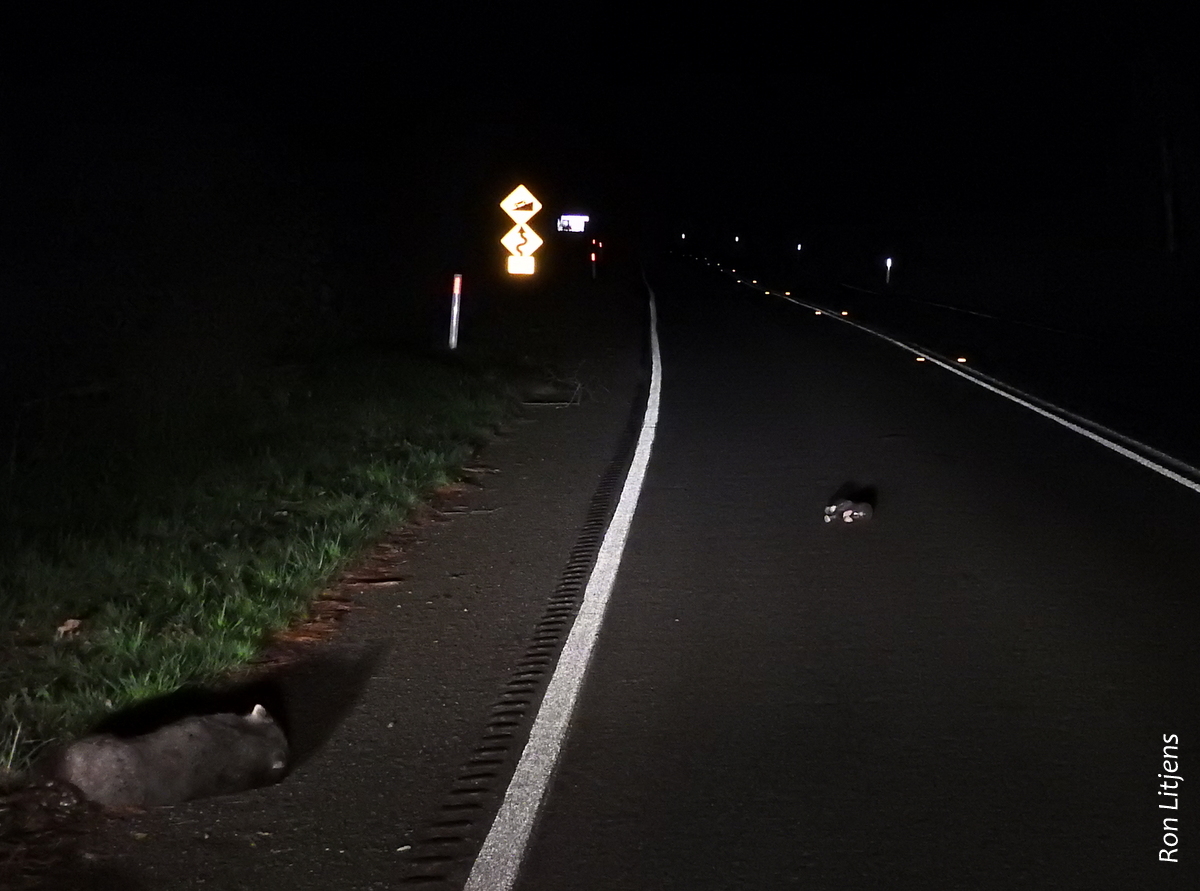
I removed the animal from the road and carefully placed it in the roadside bush.
I am happy to say the memory still disturbs me.
When the Gang drops by
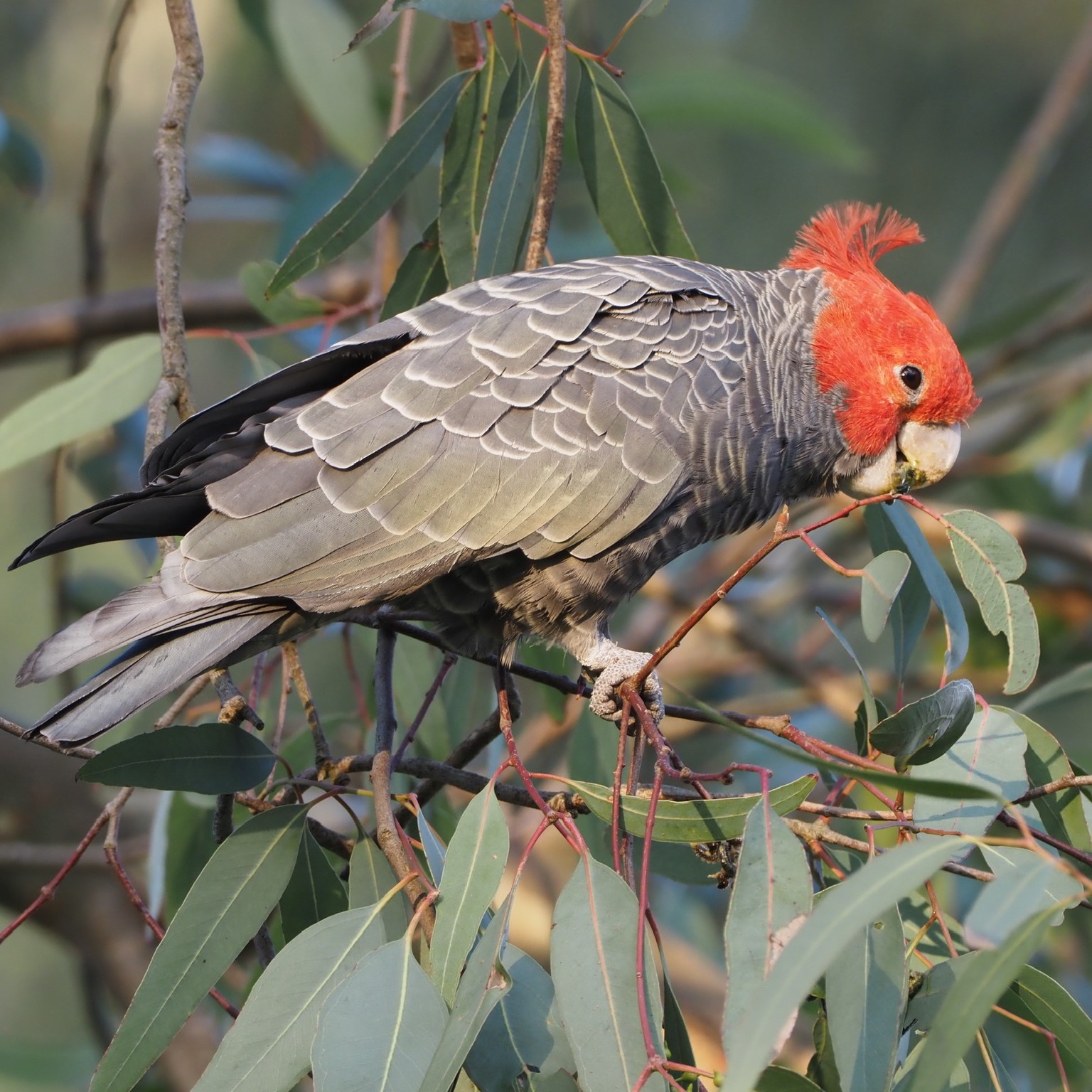
It is always a joy when the ‘creaky-door’ call of the Gang-gang (Callocephalon fimbriatum) rings out as they make their smooth undulating flight across the valley. The male has a bright red head while the female is all grey with subtly wonderful flecking.
They don’t ‘live’ around the valleys because they prefer a tall forest to nest in. They are consequently more likely to visit in Autumn or Winter when breeding is complete. I have seen them eating hawthorn berries along the rail trail, and they eat lots of seeds from eucalypts, wattles and acacias which brings them to some heavy-fruiting gums and wattles in streets and gardens around the district.
The gang-gang is always a welcome visitor to our area and every year we see small flocks several times, but in other parts of its range it is increasingly endangered. They estimate that the 2019-2020 fires in Victoria, Canberra and NSW destroyed 18% of their habitat. In March 2022, it was declared to be an Endangered species in Australia on the recommendation of the Threatened Species Scientific Committee. That’s pretty serious; the next step is Critically Endangered and then Presumed Extinct.
When the gang-gangs come to town, you see them fly from tall gum tree to tall gum tree. The homeowners who hate gum trees and cut them down to replace them with ornamental pears or fast-growing pittosporums are rendering their area less attractive to gang-gangs – and most other native birds.
They are more shy than aggressive; I have never seen a Gang-gang gang gang up on other birds. Co-existence is preferred.





 Focus On Fauna